An examination of Earth’s wildly divergent climate, for kids, takes center stage in this collection of colorful titles; they’ll have fun investigating everything from the sunny tropical climes of the Caribbean to the spine-chilling cold of the last Ice Age.
Conservation for kids is explained using thought-provoking examples of how humans impact the earth, followed by tips on how to protect our environment. Learn More
The Earth, for kids, comes alive with an overview of how our planet was born and how life has flourished on it – and also perished – over the eons. Learn More
This issue explains ecology for kids with charts that show how the food chain works and a discussion of Earth’s 10 “biomes”, and will generate lively discussions with facts about our “ecological footprint”. Learn More
Take a tour of the Everglades, a unique system of Florida wetlands. For kids learning about the environment, facts on its many manifestations and its distinctive animals and plant life cannot be missed. Learn More
Curious about the highs and lows of extreme weather? For kids interested in our cataclysmal climate, this issue answers all their queries with a look at everything from heat waves to hurricanes. Learn More
Geography, for kids interested in the natural sciences, will take them through how the Earth’s varied landscape is measured and mapped, as well as show them how geography and civilization are intimately connected. Learn More
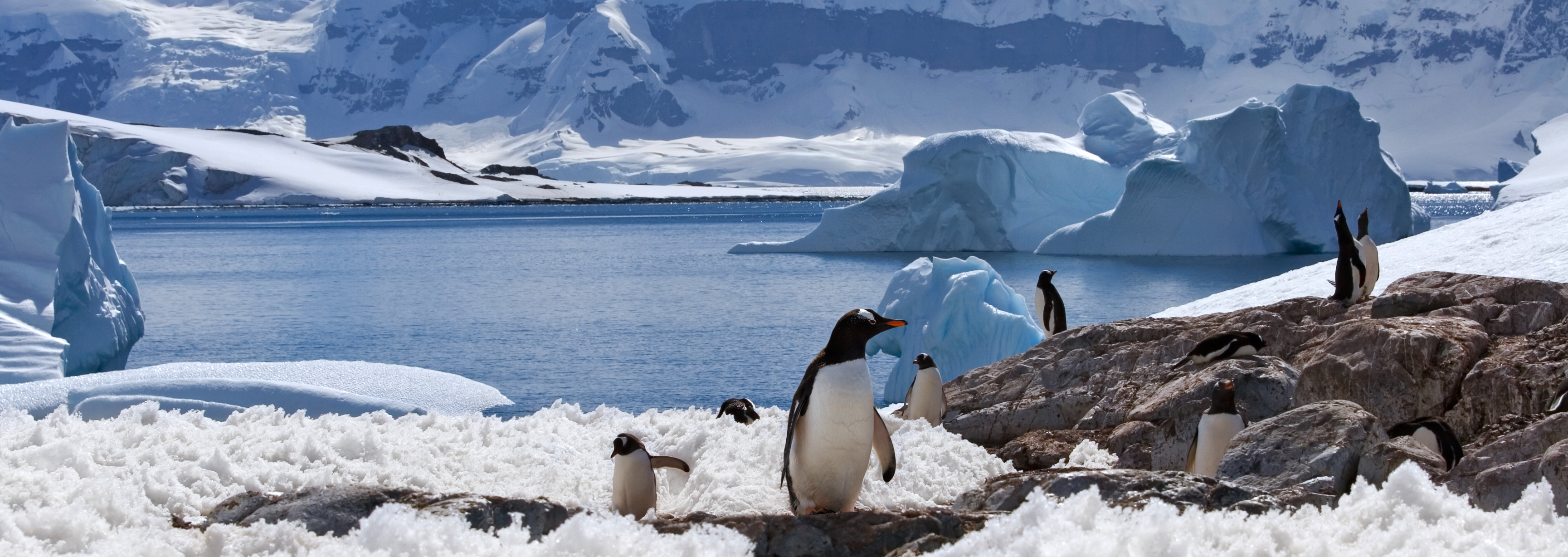
Glaciers, for kids exploring the natural sciences, is a must-have: They’ll learn about the key role they play in shaping our environment, why it’s important to study their icy records, and what will happen if they all melt. Learn More
The last Ice Age, for kids, is investigated in fine detail here. Find out what caused it, what relics of it have appeared in modern times, and what the world was like for Ice Age mammals – including humans. Learn More
Sail away with Islands. For kids interested in these remote and often mysterious places, this issue offers a detailed look at how islands form, the people who live on them, and the ways they have shaped science and myth. Learn More
Mountains, for kids who like stories of the biggest and the best, is a sure-fire winner. Find out how they form, who lives on them, who has climbed them, and what happens when one of them blows its top! Learn More
Rain, snow, and the water cycle for kids are explored with simple explanations of barometric pressure, the life of a raindrop, and how storms form. Learn More
Who will save our rain forests? Kids will, that’s who! They will be energized into action by the facts and figures found in this issue, which covers the glorious diversity of our rain forests, as well as sobering statistics about their ongoing destruction. Learn More
Rain forests, for kids, are explored in all their wonder and beauty, along with the valuable products that are produced by them and the amazing variety of people who call them home. Learn More
Gimme shelter! For kids fascinated with how people live around the world, this issue – which delves into the many forms that houses can take and the crazy things that can be used to build them – is a sure-fire winner. Learn More
From its chemical composition to its varied uses – and abuses – water for kids is made understandable with sections on the water cycle, its many forms, and how animals have adapted to it. Learn More
Weather, for kids, is described in simple terms in sections on predicting the weather, how weather patterns take shape, and how storms and tornadoes develop. Learn More
Wetlands, for kids, get their fair share of the attention here: from how they form and the diverse places they’re found to the people and animals that depend on them. Learn More
Amazingly, trees cover over 30 percent of the world’s land area. In forests, they’re kings and queens, reigning supreme over all the other plants and animals below. In parks and gardens, and along city streets, trees bring beauty and a. Read More
A progression of natural events heralds the transition from winter to spring. If you’re like me, you point these out to the kids with excitement. But, if you’ve got questioners in your house, your observations may be met with “Why?” Why do the bulbs start to come up, even when there is still snow on the ground? How do plants distinguish between a cold, wet day in December and a cold, wet day in March? Read More
Growing anything from seed is a fun and satisfying project, and vegetables grown from seed are a great way to help children connect with the food they eat. Ask your students what the first step is for growing a vegetable and begin a dialogue about growing green or yellow squash from seed. Discuss how vegetables are important for a healthy diet and how growing your own can help cut costs for family shopping lists. Read More
Amphibians (frogs and salamanders are the main types) are a super-cool, freaky group of animals. Although amphibians need to live in or near water to survive, individual species have evolved incredible adaptations that allow them to survive in wild places. Read More