Please note that Cookies and JavaScript are required for you to view this website.

Check if you have Cookies and JavaScript enabled in your browser

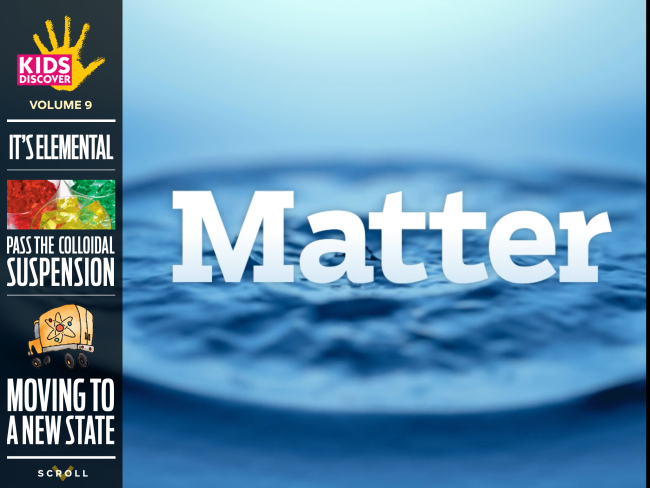
MATTERMATTERRELATED TITLES & PRODUCTS

What's Inside:
  • What is Matter?
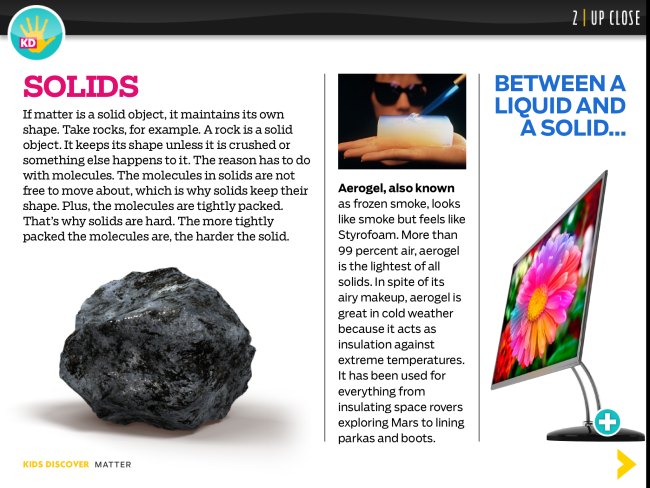
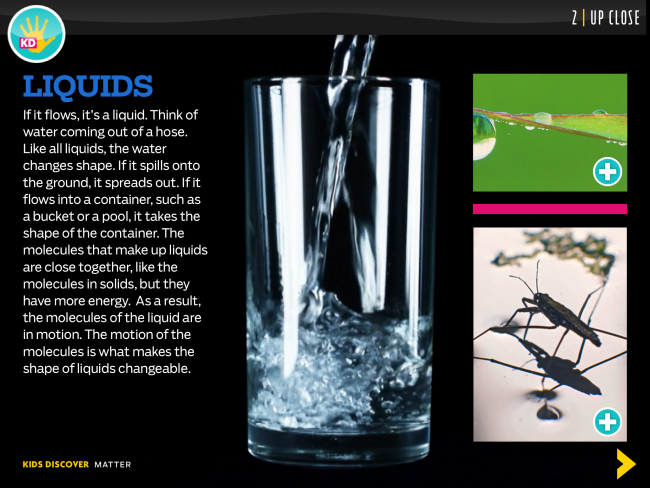
  • Different Kinds of Matter
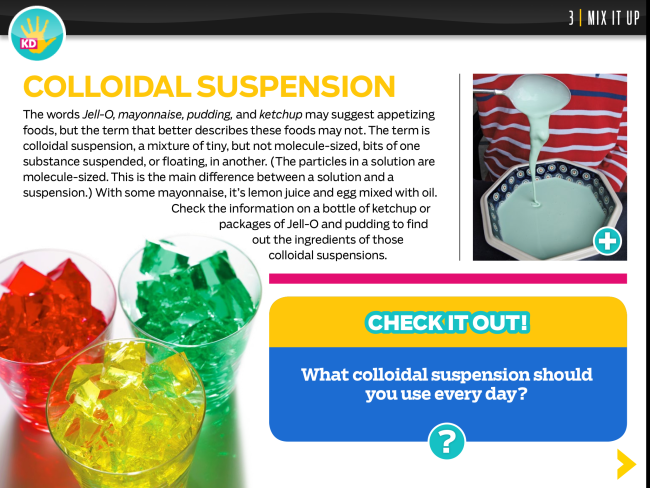
  • Mixtures and Matter
  • Properties and States of Matter
  • Physical and Chemical Changes
  • How Matter Works
  • Fun At-Home Experiments
Features:
  • LEXILE® READING LEVEL: 850L
ITEM #: 194
Single Copies: Qty. $3.99
Bundles of 10: Qty. $36.90
Save $3 per bundle and look in MY ACCOUNT to access your free Teacher’s Guide!
Click the page numbers to preview the pages

Sample Text
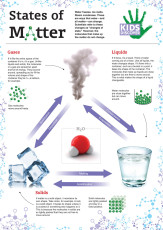
"The air you're breathing. The magazine you’re reading. The orange juice you may have had for breakfast. You. All these things have something in common. They are all examples of matter. Most of the matter you see every day comes in one of three forms. It may be a solid, like grains of sand. It may be a liquid, like the water in the ocean. It may be a gas, like the air that’s helping a kite stay aloft."
RELATED TITLES & PRODUCTS
CHEMISTRYCHEMISTRY
"Curious about your world? Interested in how things work? Have ideas for how things can work better? You might be a future chemist! Chemists study how atoms and molecules come together, come apart, and transform into something new."
ATOMSATOMS
"'Atom.' The word comes from the Greek a-tamos, meaning 'indivisible.' At the time these particles were named, scientists thought that atoms were the smallest bits of stuff existing in nature. We now know differencly, but the name stuck. About one hundred different kinds of atoms exist. Most are found in nature. Scientists makes others in a laboratory."
ELECTRICITYELECTRICITY
"Flip on a light switch. Now flip it off. That simple action -- On/Off -- helps show electricity's power. Turn on a computer or a TV or a hair dryer. They show electricity's power, too. Most of the time, though, electricity can't be seen. In fact, you can't smell it, feel it, or hear it. But, it's hard at work. Some scientists feel that the word electricity is misused. To them . . . "
ENERGYENERGY
"Brrrrrraaaaa! The alarm clock sounds. Do you leap out of bed already in high gear? Or do you bury your head under the pillow and go back to sleep? No matter what you do, you're using energy. Scientists define energy as the ability to get work done. The work can be anything from breathing to giving a party to building a pyramid-to taking a nap. But where is energy? Can you touch it? No, but you can. . . "
WATERWATER
“All animals and plants need water to survive. The human body is more than three-fourths water. Life-forms use water to transport nutrients around the body and to carry off waste. Water also helps break down food and keep organisms cool, among other vital jobs.”